Complaints Procedure for Hedge Trimming Rotherhithe
 This Complaints Procedure sets out how our hedge pruning and care service handles concerns raised by clients about hedge trimming work across the service area. It applies to routine hedge trimming Rotherhithe jobs, emergency shrub reduction, and other related garden maintenance services. Our objective is to treat all complaints fairly, impartially and promptly while ensuring the protection of property, plants and boundaries. We value clear communication and aim to resolve issues in a way that maintains trust and provides practical outcomes.
We aim to acknowledge all expressions of concern quickly and provide an accessible route for customers to raise issues without needing to provide formal documentation at first contact. The procedure is practical and proportionate to the scale of the work, whether a small domestic hedge cut or comprehensive hedge management. Confidentiality will be maintained during the investigation, and records will only be disclosed where legally required. This approach ensures that hedge maintenance in Rotherhithe and nearby locations is managed consistently and transparently.
 On receipt of a complaint, we will confirm acknowledgement within an initial period and explain the next steps. Typical timescales will be described so expectations are clear: an initial acknowledgment within 3 working days, a full review outline within 10 working days, and a target response or proposed resolution within 20 working days. These timeframes provide a predictable route for those affected by trimming errors, missed appointments, or concerns about plant health following a tidy-up of hedgerows.
How to Raise a Concern
To raise a concern about hedge services, clients should provide a clear description of the issue, including the date of the visit, the service performed and the nature of the problem. Please include any photographs, if available, to assist with assessment. We do not require formal legal submissions to begin an enquiry; practical details and straightforward descriptions are sufficient to start a review. Our process supports customers through initial reporting, investigation and, where appropriate, action planning.
 During the investigation phase we will gather facts from the operative(s) involved, review site photographs and check service records. Investigations consider horticultural best practice, safety compliance and whether the work met the agreed specification. This stage aims to identify facts and, where possible, recommend remedial steps such as corrective trimming, regrowth management or an agreed compensation framework for significant failures to deliver agreed services.
We will keep you informed of progress and outcomes. If additional time is needed to thoroughly investigate complicated matters—such as disputes over hedge boundary responsibility or tree and hedge health assessments—we will explain the reason for the delay and provide a revised target date for resolution. Our intention is to minimise disruption while reaching a practical and just outcome for all parties.
Resolution, Escalation and Record Keeping
Outcomes may include the following practical remedies: repeat work to agreed standards, refunds or partial credits for under-delivery, or an agreed plan to monitor recovery of plant health. For more complex horticultural disputes, an independent assessment by a qualified arboricultural consultant may be recommended. We will document the agreed remedy and the timetable for completion so both parties have a clear record of expectations and responsibilities.
 If a complaint remains unresolved after the internal procedure, an internal escalation route is available to a senior manager who will review the case file and any new evidence supplied. The escalation stage focuses on independent review of decisions taken during the initial investigation and aims to provide a final internal determination. While we cannot provide legal advice, we will explain the basis for our decision and the practical steps taken to investigate and resolve the issue.
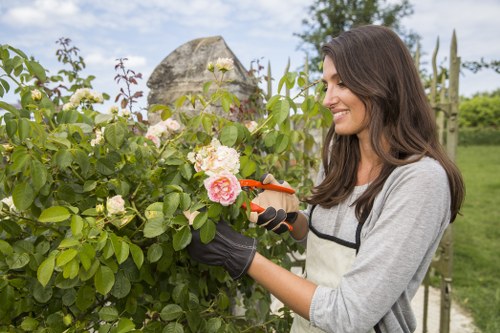 We keep concise records of all complaints and their outcomes to support continuous improvement of our hedge maintenance services. These records are used to identify trends, training needs and opportunities to refine operating procedures. By learning from each concern that arises, we aim to deliver safer, more reliable hedge care across the broader service area and reduce repeat incidents.
Appeals and independent review: Where appropriate and agreed by both parties, a complaint can be referred to an independent third-party arbiter with relevant horticultural or consumer dispute experience. That step is reserved for complex or significant disputes after the internal escalation process has been exhausted. Any recommendation from such a review is intended to be practical and focused on remedy and restoration rather than punitive measures.
Policy review: This complaints procedure is reviewed periodically to reflect evolving best practice in garden services, hedge care and customer service. Adjustments are made to timeframes and process details so that the approach remains efficient, fair and transparent. Use of consistent terminology—such as hedge trimming Rotherhithe, local hedge maintenance and residential hedge pruning—helps ensure clarity when documenting and resolving issues.
All staff involved in hedge care and boundary vegetation management receive training on complaint handling and the importance of accurate service records. This helps ensure that where problems occur they are investigated promptly and remedied effectively. The objective is a constructive resolution that restores confidence in our pruning, shaping and seasonal management of hedges throughout the service area.
Commitment: We are committed to treating all complaints seriously, concluding investigations fairly, and implementing reasonable remedies when our work falls short of agreed standards. This procedure provides a clear pathway for raising concerns about hedge trimming, facilitates timely investigation and supports outcomes that protect both property and plant health while promoting continuous service improvement.