Hedge Trimming Rotherhithe — Recycling & Sustainability
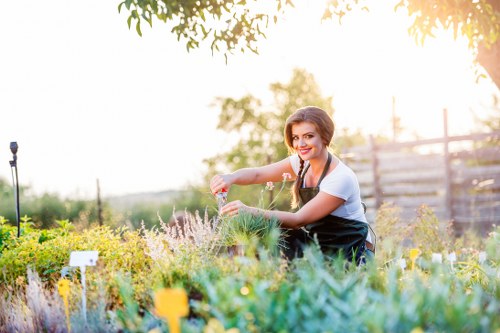 Hedge Trimming Rotherhithe takes an active role in creating an eco-friendly waste disposal area for local green teams and residents. Our approach to sustainable hedge care and Rotherhithe garden waste ensures that clippings, branches and soil are diverted from landfill wherever possible. We combine practical on-site separation with careful transfer to licensed facilities, working to minimise carbon and maximise reuse across the borough. As part of our commitment to sustainable rubbish gardening area principles, we prioritise composting, reuse and donation over disposal.
We have set a clear recycling percentage target: an 80% reuse and recycling rate for all green waste and related materials by 2028. That target guides how we sort, store and move arisings from hedge maintenance in Rotherhithe. Our teams follow the boroughs' approach to waste separation — separating garden waste, food scraps where present, and recyclable packaging — and we apply additional sorting so woody material is delivered to appropriate processors for chipping and composting.
Eco-friendly waste disposal area
 Creating a dedicated eco-friendly waste disposal area on-site during hedge maintenance jobs helps us avoid cross-contamination and speeds processing at local facilities. We use labelled sacks and bins for green waste, mixed recyclables and any residual non-recyclable material. Where possible we use reusable containers so single-use bags are kept to a minimum. Our processes align with the Southwark-style separation of organics and mixed recyclables, and we work closely with local transfer stations to ensure materials go to the correct destinations.
Sustainable rubbish gardening area for community benefit
Our Rotherhithe hedge trimming crews design sustainable rubbish gardening areas that double as community assets: temporary compost bays, woodchip piles for paths and mulch, and curated heaps for habitat piles. These spaces are managed to the standards expected by municipal transfer stations and community compost projects. We aim to leave sites in better condition than we found them, encouraging local volunteers and community gardens to make use of suitable materials.
 When it comes to collection and transfer, we partner with licensed local transfer stations and waste facilities serving Southwark and nearby boroughs. By coordinating with municipal transfer sites, we reduce double-handling and short-haul trips. These partnerships help us document material flows — the volumes of woody chippings, garden compost, and recyclable packaging — so we can report progress toward our recycling percentage target and refine routes for lower emissions.
We also support circular reuse through partnerships with charities and community organisations. Excess topsoil, healthy shrubs that need rehoming, planters and reusable pots are offered to local charities and community gardens before any disposal. Our relationships extend to reuse centres and social enterprises that take serviceable tools, pots and structural timber for refurbishment and resale. These collaborations both reduce waste and benefit local food-growing and greening projects.
Low-carbon vans and low-impact logistics
To ensure that hedge care is truly sustainable, our fleet strategy focuses on low-carbon vans and route optimisation. We operate a mix of electric and plug-in hybrid vans for Rotherhithe hedge maintenance runs, and use smaller vehicles for narrow streets to reduce fuel consumption. Vehicle choices are aligned with the London low-emission zone policies and the carbon-saving targets set for our operations. Combined with efficient scheduling, these measures reduce the climate impact of transporting green waste to transfer stations and community partners.
 We publish regular metrics to track performance: tons of green waste collected, percentage diverted to composting or reuse, and vehicle CO2 savings from electric van use. Our commitments include:
- Recycling percentage target: achieve and maintain a minimum of 80% diversion of green and related waste streams from landfill by 2028.
- Local transfer station use: prioritise authorised transfer stations and licensed processors in Southwark and neighbouring boroughs to shorten haul distances.
- Charity partnerships: donate salvageable plants, soil and gardening equipment to community groups and reuse charities before considering disposal.
- Low-carbon fleet: expand electric and hybrid vehicle usage to cover at least 60% of local jobs by 2026 and continue route optimisation to reduce mileages.
 Our pledge for hedge maintenance in Rotherhithe goes beyond tidy boundaries: we create a replicable model for a sustainable rubbish gardening area that feeds local compost hubs, supports community green spaces and reduces pressure on municipal waste systems. By integrating separation at source, strategic use of transfer stations, strong charity partnerships and low-carbon vans, we turn routine gardening waste into resources for the neighbourhood. Hedge maintenance Rotherhithe therefore becomes a visible part of the area’s circular economy — cleaner streets, thriving community gardens and demonstrably lower environmental impact.